I finished machining the adapters for the rear engine mounts, then drilled and tapped the hex cross bar at the front. The right-side bolt had to be countersunk, because the base of … Engine mounting completeRead more
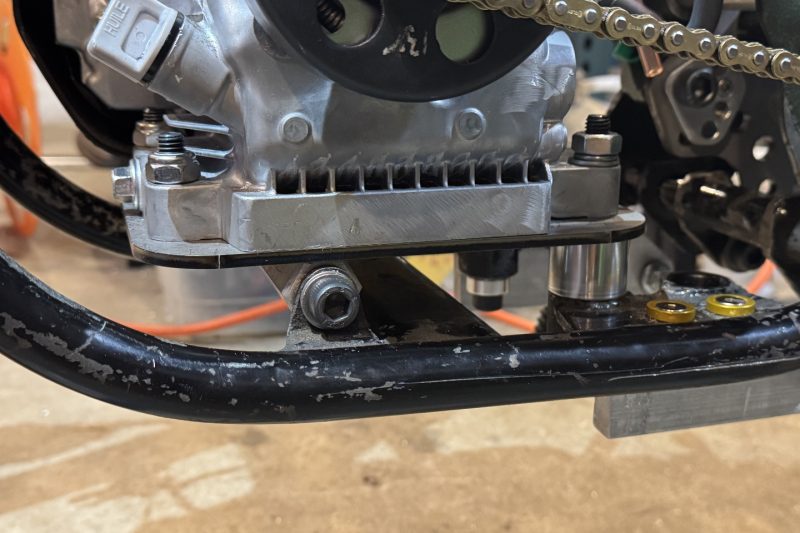
I finished machining the adapters for the rear engine mounts, then drilled and tapped the hex cross bar at the front. The right-side bolt had to be countersunk, because the base of … Engine mounting completeRead more
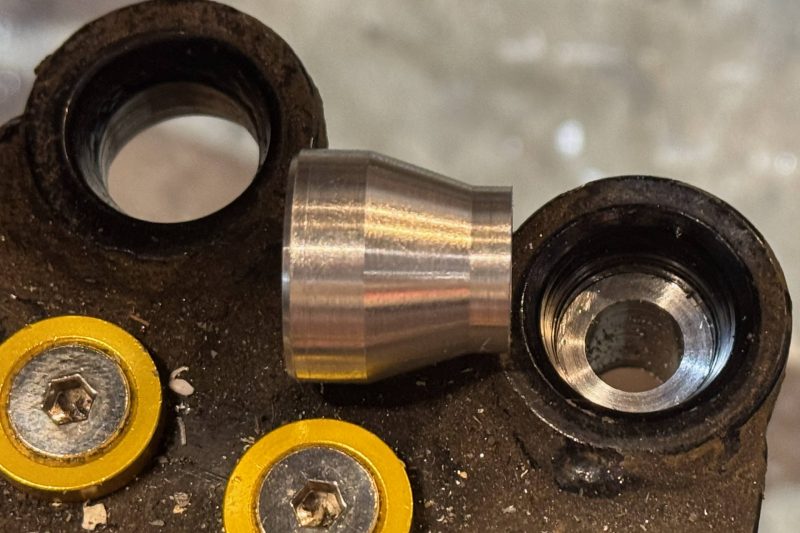
I purloined a few precious minutes and snuck out to the garage for the first time in a while. The little bit of progress I’ve made probably doesn’t warrant a post, and … Engine locating bobbinsRead more
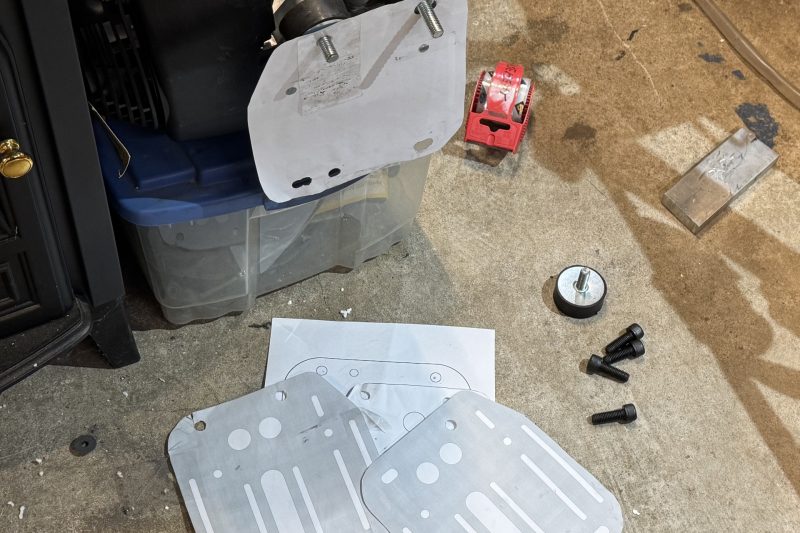
I have not done much in the workshop for a while now, because the next step in the project was fabricating an engine plate to mount the Honda GS190 engine in the … Mounting plate for GS190 engineRead more
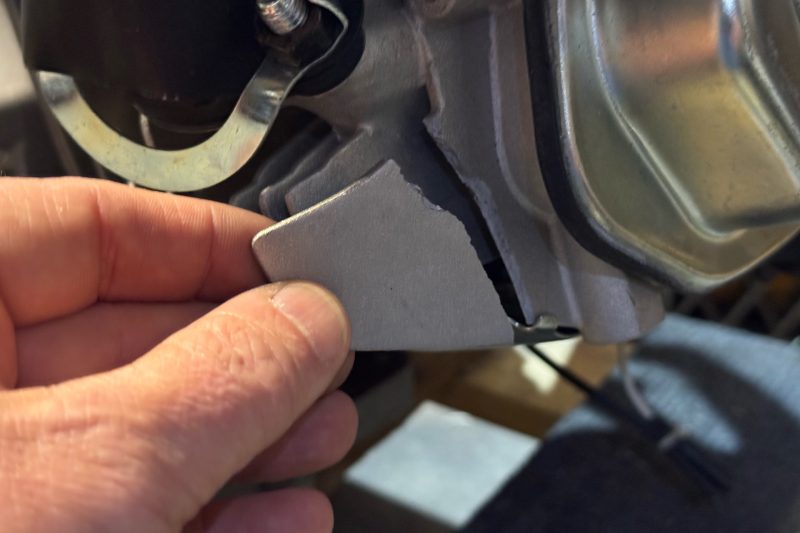
Even though I sold the engine from my Bultakenstein project and abandoned my prior plans for it, I am not quite ready to just walk away from the chassis I created. I … Adaptive reuse of the Bultaco chassisRead more
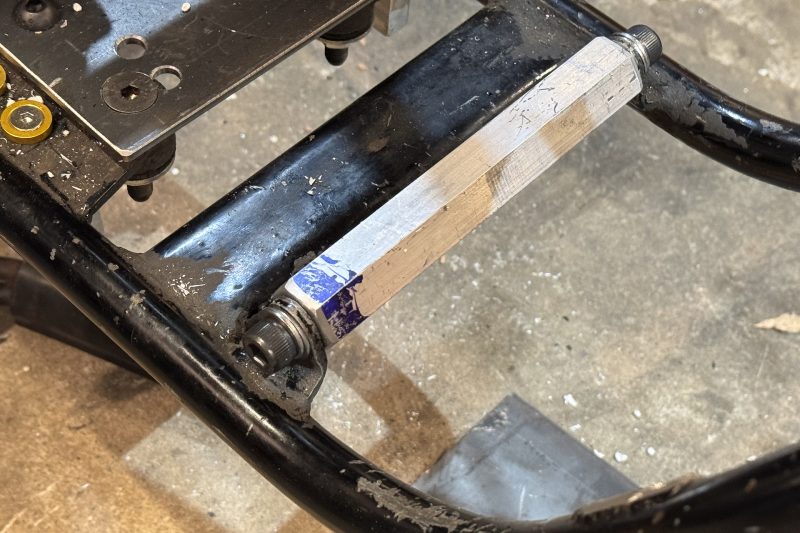
I have begun fabricating the revised engine mounting for the new Honda engine. Since the GS190 is known for being a smooth runner (opposed to the diesel engine’s notorious vibration), I can … Revised engine mount underwayRead more
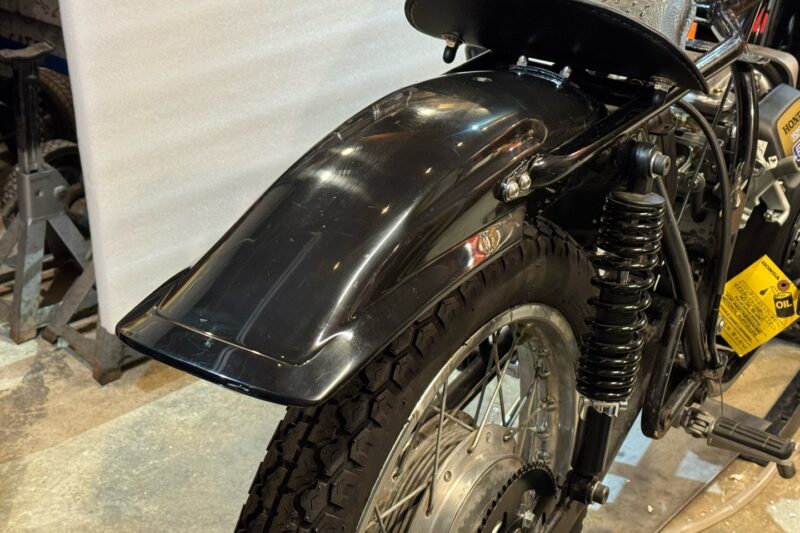
Life has been keeping me out of the workshop for the most part, but I did manage to mount fenders to the “no-longer-a-diesel” Benelli. I gave up on sourcing army green fenders, … Fenders mountedRead more
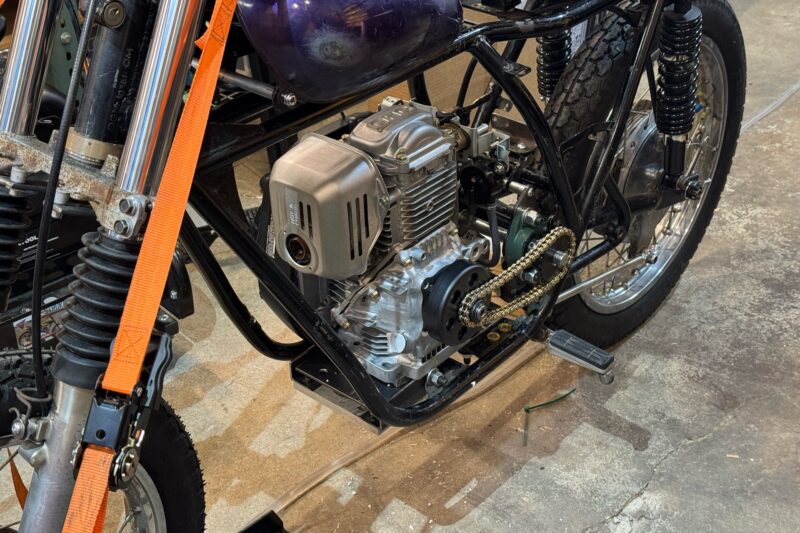
After pulling the diesel engine out of the bike, I tried positioning a couple of other NOS engines in the frame to see how they might work. First was a Tecumseh OH195SA. … A change of engine?Read more
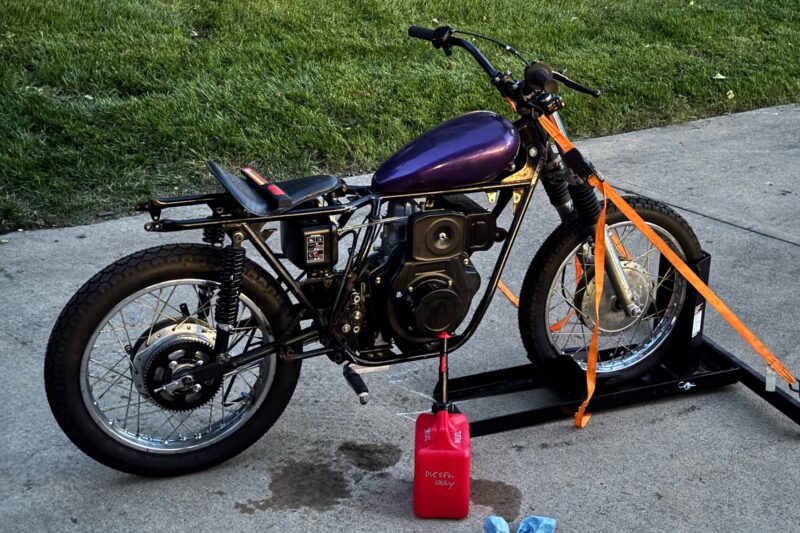
With the primary chain sorted, it was time to start up the Chinese Yanmar clone motor for the first time. I decided to attempt a static “pad test,” the primary chain fitted, … First (attempted) engine startRead more

I was able to get back into the workshop long enough to button up the jackshaft assembly. I shortened the keyed shaft, then faced it and cut a channel for the circlip … Jackshaft completeRead more

A rear sprocket to fit my Yamaha rear wheel that takes #35 chain isn’t really a thing, so I modified a go-kart sprocket to fit. I had a heck of a time … Rear sprocket fittedRead more